
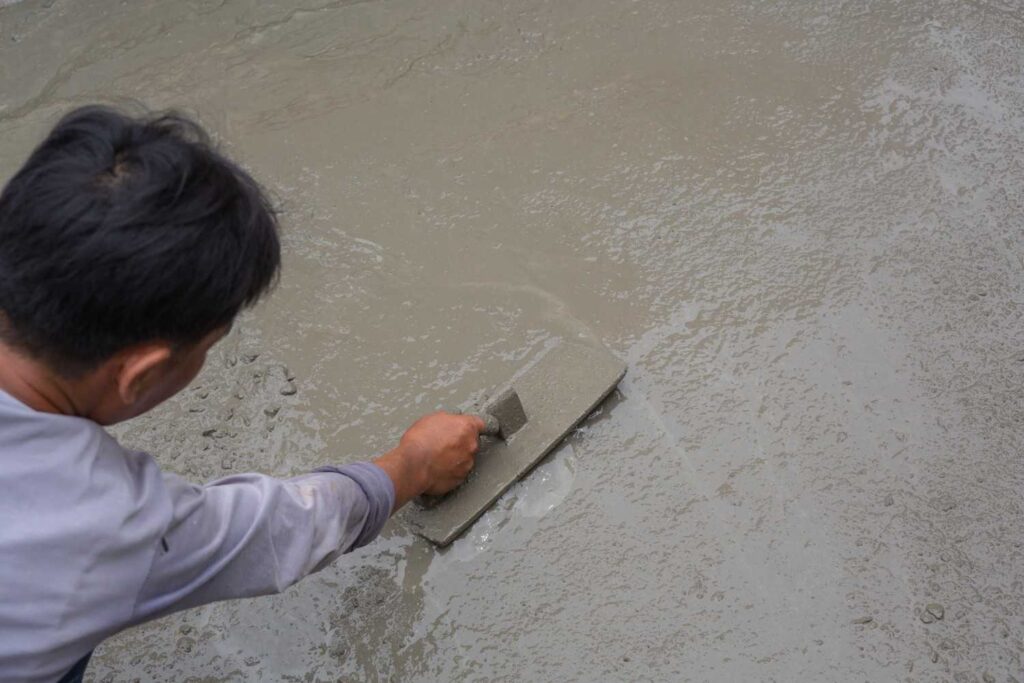
- WATER LEAKS INVESTIGATION & ENGINEERING REPORTS
We identify and resolve complex water penetration issues in existing buildings. Water leaks stem from various sources, including underperforming doors/windows, façade cracks, membrane failures (roofs, decks), and aggressive root systems in planter boxes.
Thorough investigation is essential, as leaks often involve a combination of factors, leading to both primary and secondary ingress points.
In Queensland, rainwater’s high chlorine content accelerates damage. For instance, penetrating water causes reinforcing steel corrosion within concrete slabs, leading to expansion—a condition known as “concrete cancer.”
Water leaks are defined as structural defects under QBCC, so prompt rectification is crucial. We are not tradies, so we cannot rectify the leak, but we can provide solutions on how to recitfy including what materials to use, what should be its warranty and inspect the job carried out your tradies to to verify if the works have been carried out to latest National Construction Code and Australian Standards. Don’t wait—early action prevents costlier, extensive repairs.
- KEY ASPECTS OF WATERPROOFING DESIGN
- IDENTIFICATION OF VULNERABLE AREAS
Target Areas:
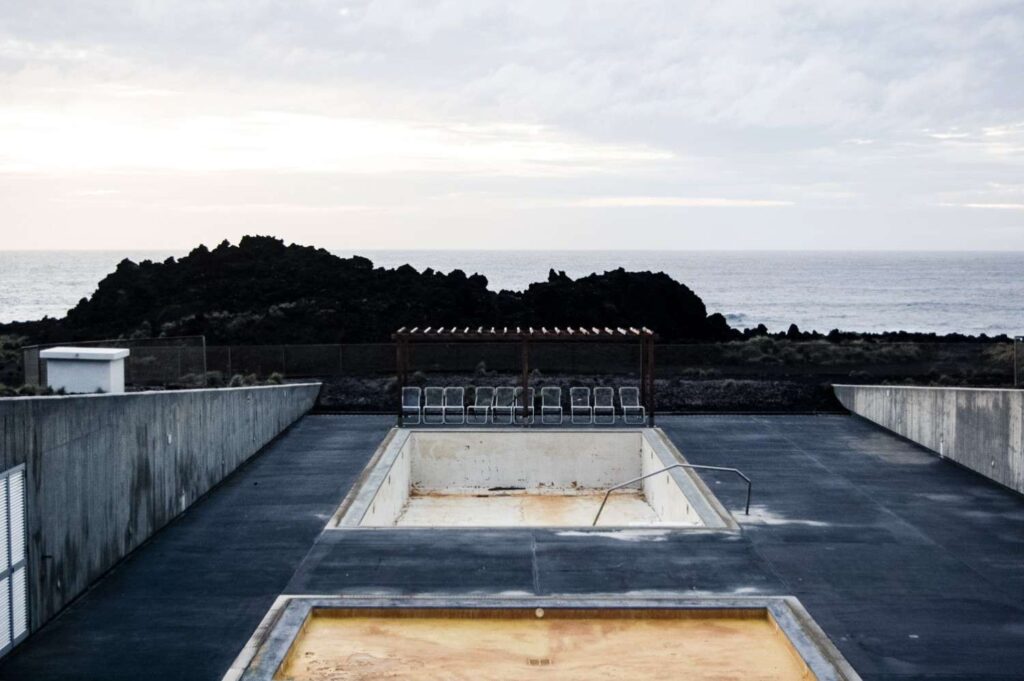
Design begins by pinpointing where water may enter, including the foundation, basements, roof, walls, joints, and utility penetrations.
Environmental Factors:
Designs must account for local climate, soil conditions, and the water table level to effectively prevent infiltration.

- TYPES OF WATERPROOFING SYSTEMS
Above-Grade Waterproofing:
Protects exterior walls, windows, and roofs from rain and snow infiltration.
Below-Grade Waterproofing:
Shields foundations, basements, and underground structures from groundwater and hydrostatic pressure.
COMMON SYSTEMS:
Membrane Systems: Impermeable layers (e.g., bituminous, rubberized asphalt) applied to surfaces.
Cementitious Waterproofing: A mix of cement, sand, and water-resistant chemicals, often used in basements and pools.
Liquid-applied Waterproofing: Liquid coatings that cure to form a seamless, protective barrier.
Crystalline Waterproofing: Treatments that form crystals within concrete to block water pathways.
- DESIGN CONSIDERATIONS
Drainage: Incorporating systems (e.g., pipes, gutters, French drains) to actively direct water away from vulnerable areas.
Vapor Barriers: Used in areas like basements to prevent moisture vapor from seeping through floors/walls, limiting mold and mildew.
Expansion Joints: Specialized joints that allow structural movement while maintaining a waterproof seal.
- MATERIALS USED FOR WATERPROOFING
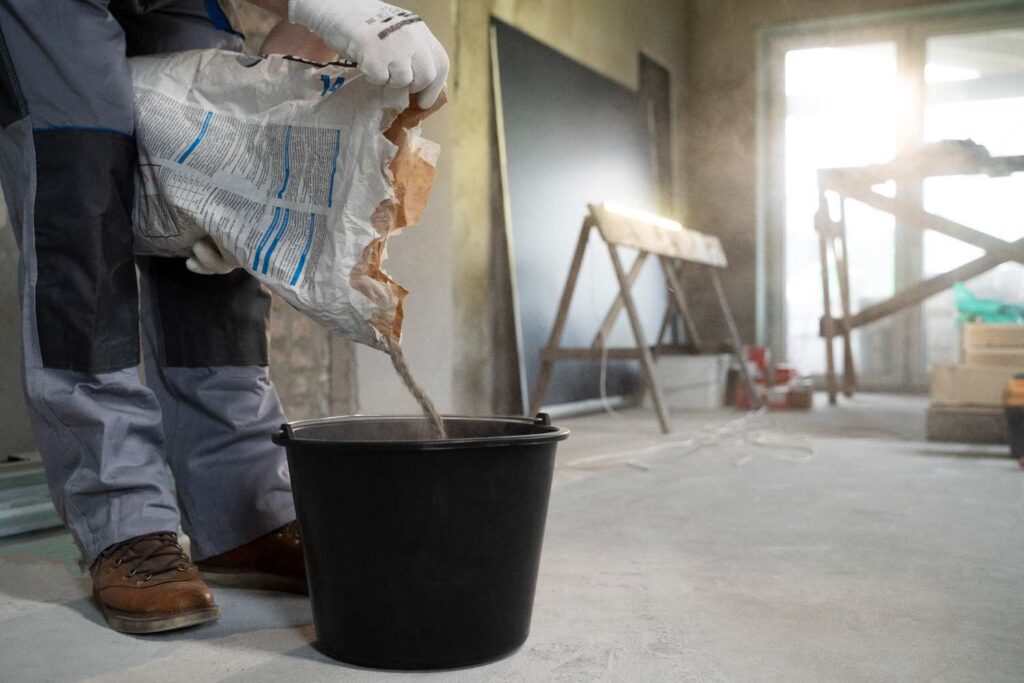
Bituminous Products: Tar and asphalt-based products applied in layers.
Polyurethane and Rubberized Coatings: Flexible materials that expand with movement for sealing joints and cracks.
Waterproofing Paints and Sealers: Surface coatings that provide a waterproof layer.
Membranes: Both self-adhesive and non-adhesive types, commonly used on foundations and basements.
- MAINTENANCE AND INSPECTION
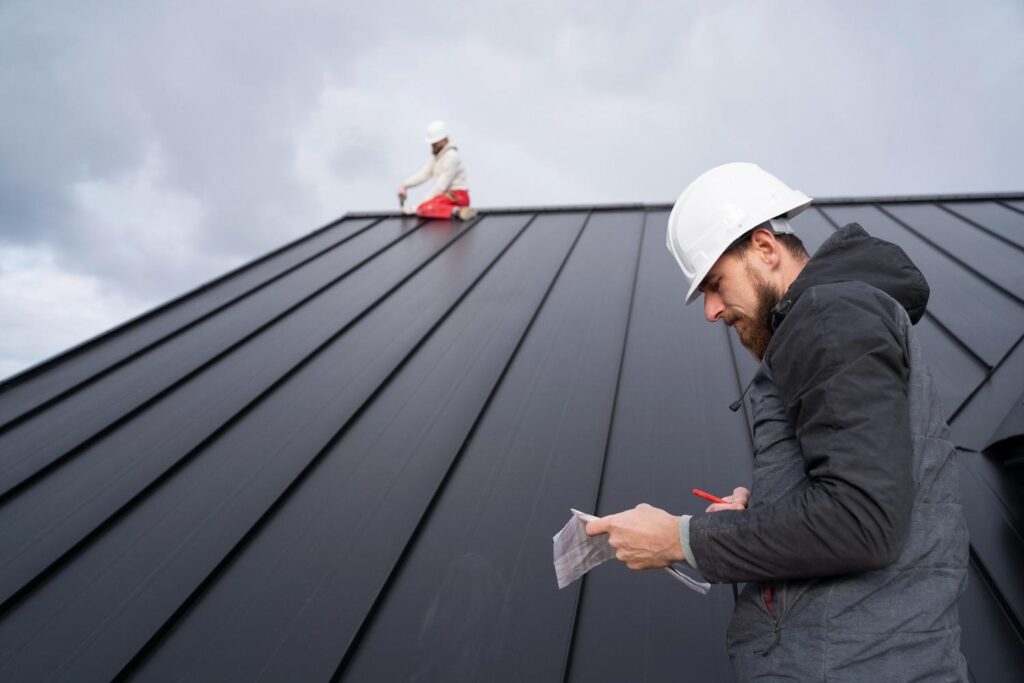
Regular Checks: Waterproofing systems require regular inspection and maintenance.
Preventive Action: Periodic upkeep detects early issues like material degradation or weakened seals, preventing significant water damage.
- Ready to start your project?
Contact SD Consulting Engineers today for expert engineering solutions.

- Why Choose Us
High-quality engineering solutions
Strong focus on client satisfaction
Accurate and efficient project delivery
Cost-effective and practical designs
Up-to-date engineering tools and methods
Commitment to safety and standards compliance

- TESTIMONIALS