
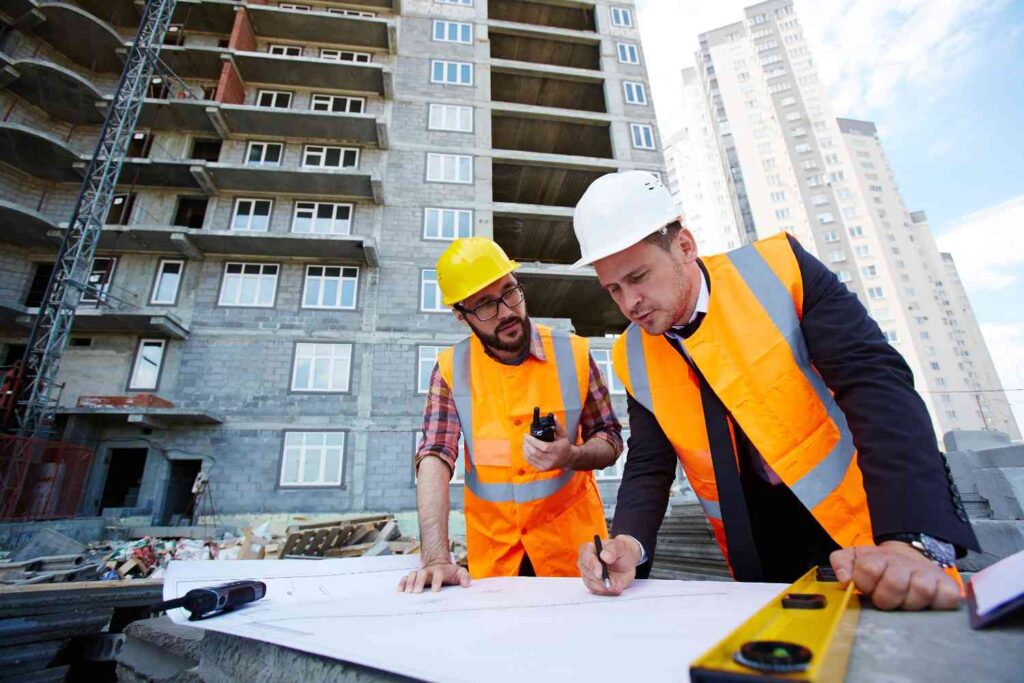
- STRUCTURAL ENGINEERING: DESIGNING SAFE, STABLE & DURABLE STRUCTURES
Structural engineering is a vital discipline dedicated to creating safe, stable, and long-lasting structures. It combines scientific principles, practical expertise, and creative problem-solving to ensure that buildings and infrastructure can withstand the forces they encounter throughout their lifespan.
Our structural engineering services include the analysis and design of low-rise structures across a range of materials, including concrete, steel, timber, aluminium, and masonry. We provide Form 15 and Form 12 for design and inspection of structures. We offer our services in the areas of:
- house extension
- carport/shed/garage designs
- load bearing assessments
- retaining wall designs
- decking design
- and many others
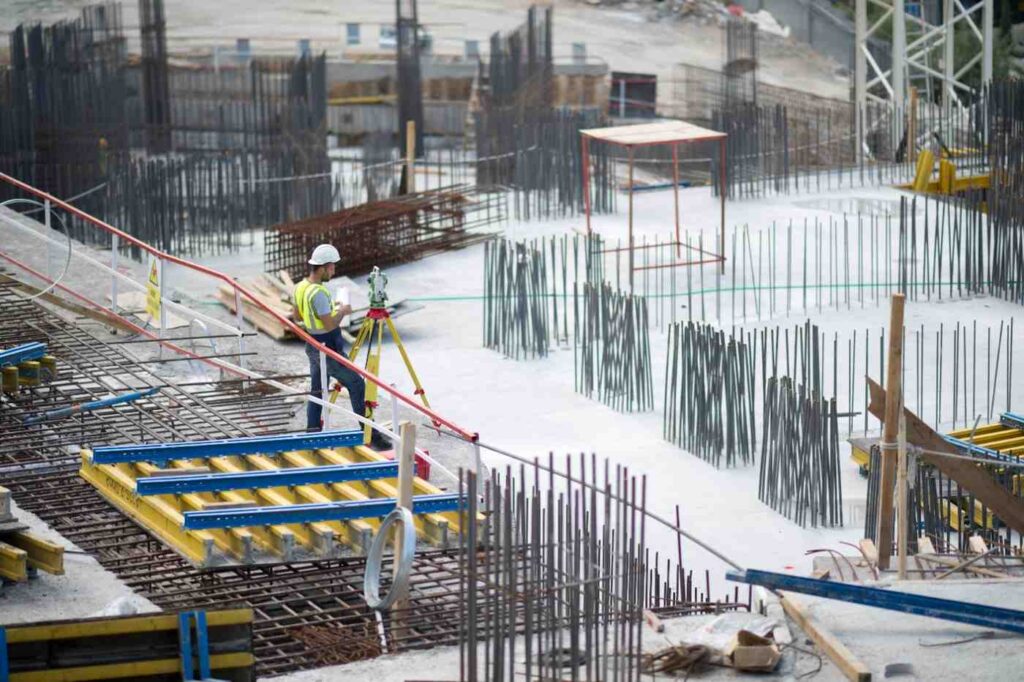
- Our engineers bring extensive experience across a wide variety of structural projects, including:
Concrete, steel, aluminium, glass, masonry, and timber structures
Gravity and wind load analysis
Structural response to seismic events
Design of low-rise buildings, retaining walls, balustrades, driveways, and more
- RETAINING WALL DESIGN: OUR SPECIALIST EXPERTISE
Retaining wall design is one of the areas where our team has the deepest hands-on experience. We regularly design and certify sleeper retaining walls — steel upright posts founded in engineered footings, supporting reinforced concrete sleeper panels — for residential and commercial sites across Queensland.
All you need to do is tell us where you’d like the retaining wall constructed — we’ll take care of the engineering from there. Every wall is assessed for the loads it will actually carry: retained soil pressure, driveway and vehicle surcharge loads, and site-specific ground conditions. We check upright capacity, footing depth and bearing, and sleeper strength against AS 4678 (Earth-Retaining Structures) and AS/NZS 3600 (Concrete Structures), adjusting sections and footing dimensions until every check is satisfied.
Whether it’s a boundary retaining wall, a driveway wall carrying vehicle loads, or a wall on a sloping site, we deliver fully engineered, council-ready designs and certification — not just generic calculations.
- RETAINING WALL INSPECTION
Not all retaining walls need to be built from scratch. If you already have a retaining wall that’s showing signs of movement, cracking, leaning, or water pooling behind it, we can inspect it and tell you exactly what’s going on.
Our inspections assess the wall’s structural condition — upright and footing integrity, sleeper condition, signs of corrosion or concrete deterioration, drainage performance, and any visible movement or rotation — and identify the likely cause, whether that’s inadequate drainage, undersized footings, surcharge loads the wall was never designed for, or general wear over time.
We then provide a clear engineering report setting out our findings, the wall’s current condition, and practical recommendations — whether that’s monitoring, remedial repairs, or a full replacement design. These reports are also useful for council compliance, pre-purchase property assessments, or insurance purposes.
- IMPORTANCE OF STRUCTURAL ENGINEERING
Structural engineering plays a crucial role in the built environment through:
- Structural engineering plays a crucial role in the built environment through:
Proper structural design prevents collapse or failure that could put people or property at risk.
- Durability & Longevity
Careful design and material selection ensure structures remain strong and reliable for decades.
- Sustainability
Modern engineering techniques help reduce energy use, wastage, and overall environmental impact.
- Innovation
Advanced technologies like 3D modelling, smart materials, and earthquake-resistant systems enable safer and more efficient structures.
- KEY ASPECTS OF STRUCTURAL ENGINEERING
The structural design process involves several core components that guide the lifespan of a structure.
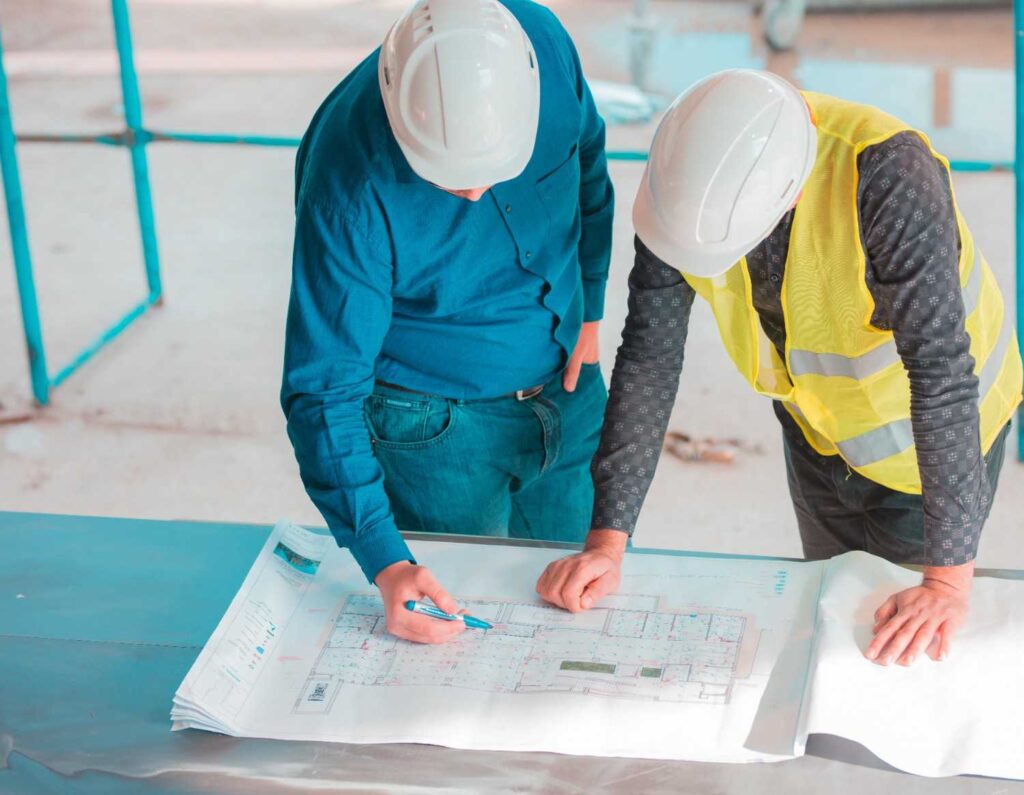
- DESIGN AND ANALYSIS
This phase involves detailed analysis and engineering calculations to determine the right materials, dimensions, and load-resisting systems. Designs must consider all structural loads:
Dead Loads: Weight of the structural elements
Live Loads: Movable loads such as occupants and furniture
Environmental Loads: Wind, temperature effects, and seismic forces
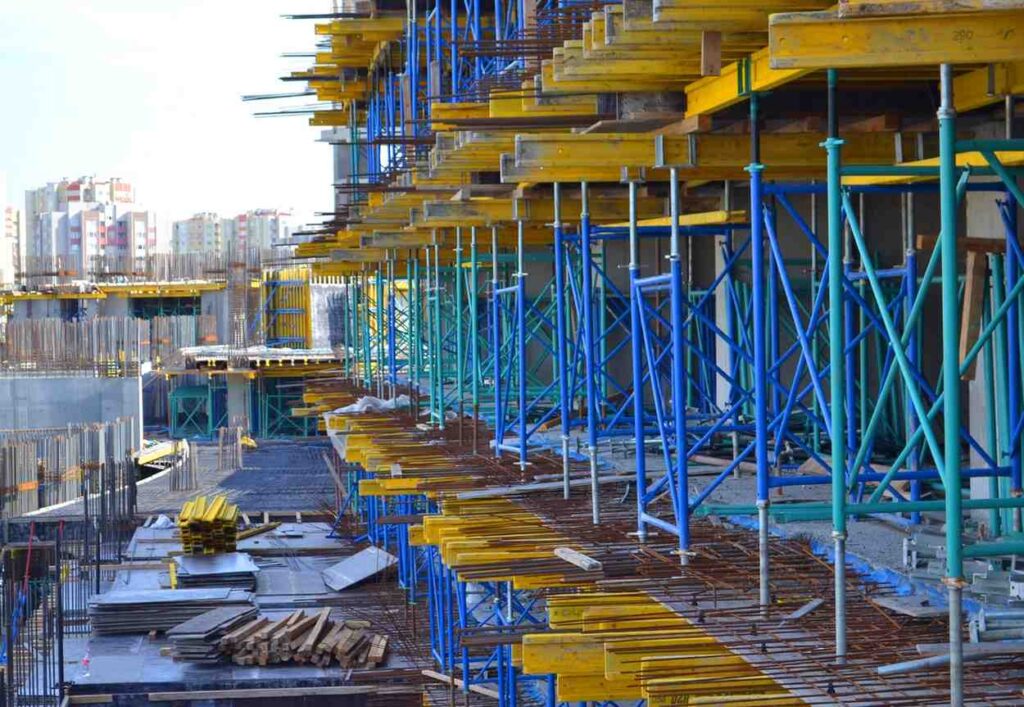
- MATERIAL SELECTION
Structural engineers select the most suitable materials by evaluating cost, durability, strength, and aesthetic requirements.
Common materials include:
Steel: High strength and flexibility—ideal for large spans and modern buildings
Concrete: Durable, reliable, widely used in foundations and multi-storey structures
Timber: Sustainable and versatile for residential and low-rise buildings
Composite Materials: Advanced options like carbon fiber for special applications
- SAFETY AND STABILITY
Ensuring safety is at the core of structural engineering. Designers consider all possible loads and extreme scenarios to ensure structures can withstand unexpected events.
Proper safety factors are applied to reduce the risk of failure and protect structures from hazards such as windstorms and earthquakes.
- CONSTRUCTION OVERSIGHT
Structural engineers play a vital role during the construction process. They collaborate with architects, builders, and certifiers to ensure that work follows the intended design and complies with all standards.
They provide essential site guidance on critical structural elements such as slabs, columns, beams, and foundations.
- INSPECTION AND MAINTENANCE
After construction, engineers often inspect structures over time to maintain safety and performance.
This includes monitoring for deterioration, structural stress, or water damage.
They also recommend strengthening or remedial solutions to improve load capacity and meet modern building standards.
- Ready to start your project?
Contact SD Consulting Engineers today for expert engineering solutions.

- Why Choose Us
High-quality engineering solutions
Strong focus on client satisfaction
Accurate and efficient project delivery
Cost-effective and practical designs
Up-to-date engineering tools and methods
Commitment to safety and standards compliance

- TESTIMONIALS