
- Seismic Design
We specialize in seismic bracing design in accordance with AS 1170.4. Section 8 of this standard requires that all building services be braced to avoid failure during an earthquake event. Some of the building services include partition walls/ceilings, ducts, pipes, air conditioning units, electric cables etc. They are also commonly called non-structural components because they are not considered part of the structural system, however, they are subjected to the same lateral forces as the structural elements during earthquakes.
We help Contractors estimate the seismic bracing requirements to input for Tender and provide Form 15 for Seismic Design in Queensland. Once the Tender is won, we inspect the site during the construction stage and provide Form 12 to show that the bracing installations have been carried out as per our design.
- SEISMIC BRACING OF NON-STRUCTURAL ELEMENTS
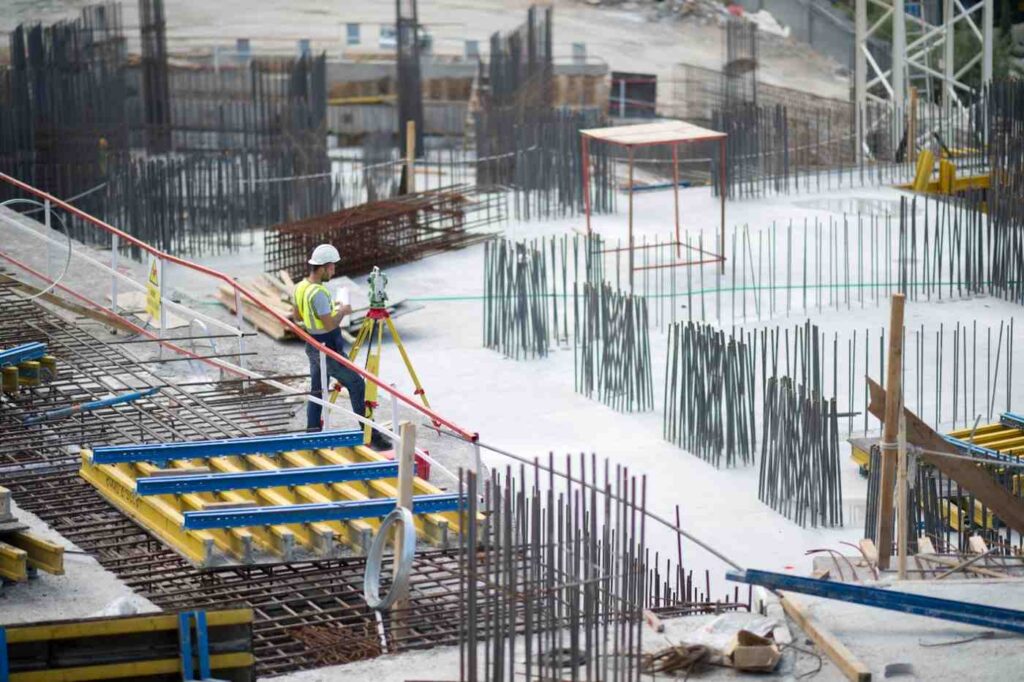
- WHAT IS SEISMIC BRACING OF NON-STRUCTURAL ELEMENTS?
● Non-Structural ≠ Non-Critical:
Mechanical, electrical, hydraulic and fire services aren’t part of a building’s load-bearing structure, but AS 1170.4 still requires them to be restrained so they don’t fail, fall, or rupture during an earthquake.
● Force-Based vs Dynamic Assessment:
Standard bracing rules use a simplified force-based method. We can also assess dynamic performance where useful, avoiding unnecessary bracing while remaining fully compliant.
● Consequences of Failure:
Unbraced ducts, pipes and ceilings can fall, rupture, or block emergency egress paths. In critical facilities like hospitals and data centres, this can also cause service outages after an earthquake.
● Simple, Coordinated Installations:
Bracing layouts agreed early with contractors are easier to install correctly and less likely to clash with other services.
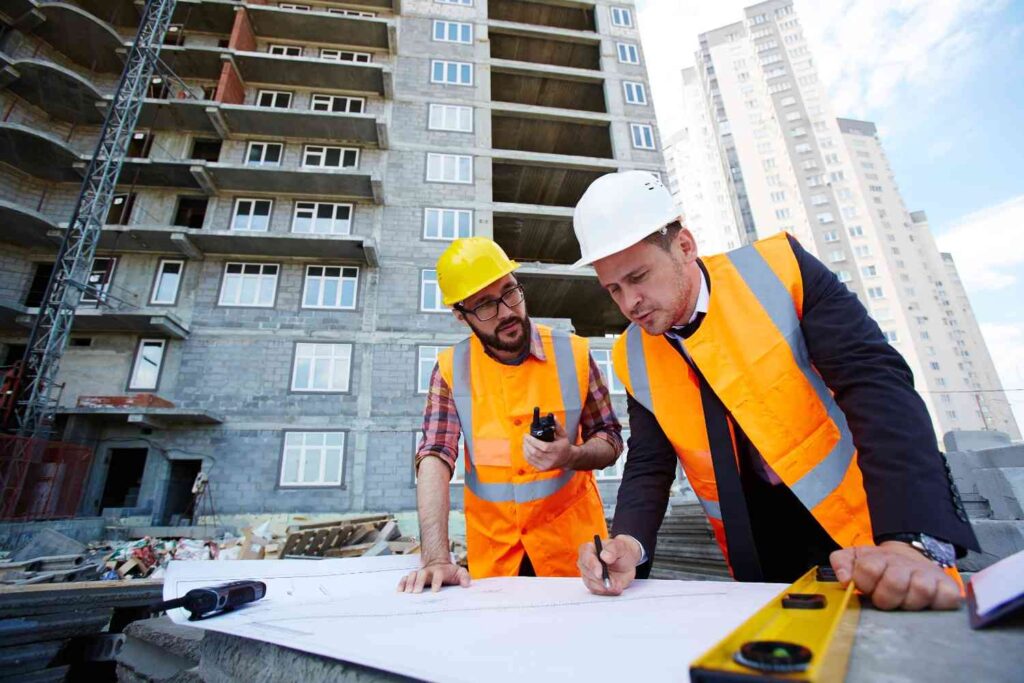
- WHAT WE BRACE
● Building Services:
Mechanical, electrical, hydraulic and fire protection services all require seismic restraint under AS 1170.4.
- Mechanical (HVAC): Air conditioning units, ductwork and rooftop plant.
- Electrical: Cable trays, switchboards and containment.
- Hydraulic & Fire Protection: Pipework, sprinklers and pumps.
● Ceilings & Partitions:
Suspended ceiling grids and hangers, plus load-bearing and non-load-bearing partition walls, all need to be restrained so they remain in place during ground shaking.
● Pipe Risers, Plant & Fixtures:
Vertical pipe risers, rooftop and in-building plant and equipment, expansion joints and flexible connections, along with access platforms, balustrades and other attached non-structural fixtures.
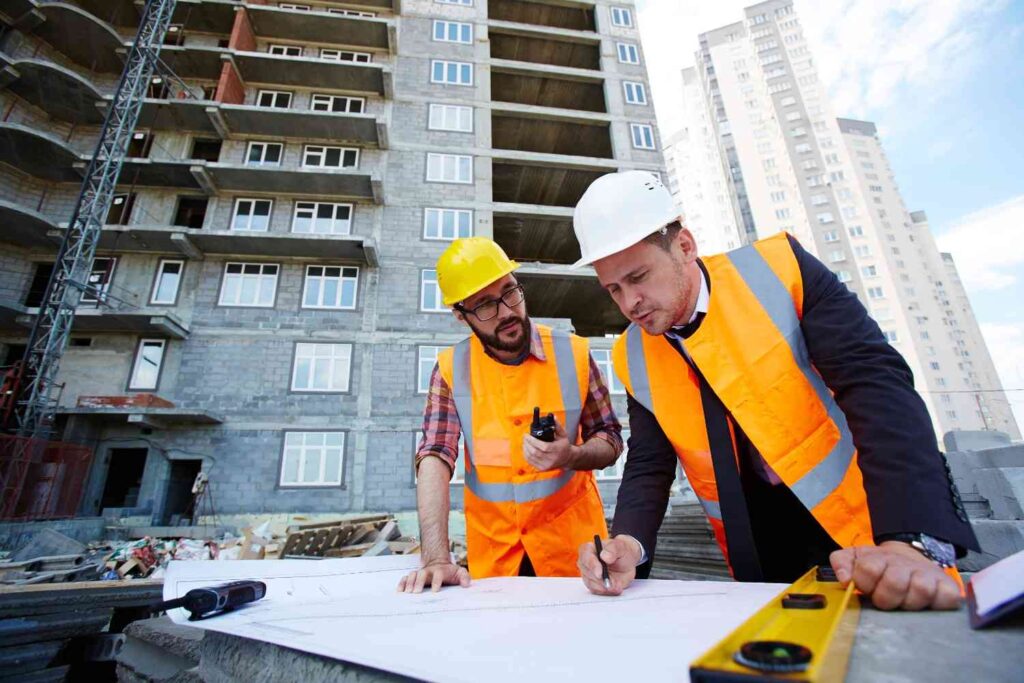
- OUR PROCESS
● Design Stage:
Before construction starts, we support the tender and design process.
- Tender-Stage Estimating: We help contractors estimate seismic bracing scope and cost to include in a tender submission.
- Design & Form 15 Certification: We prepare bracing design documentation and issue Form 15, certifying the design satisfies AS 1170.4 and NCC requirements.
● Construction Stage:
Once the tender is won, we follow the installation through to completion.
- Site Inspection: We inspect the completed bracing installation on site during construction.
- Form 12 Certification: We issue Form 12, confirming the as-built bracing matches our design and satisfies Queensland requirements.
- CODES AND COMPLIANCE
● Governing Standards:
Seismic bracing of non-structural elements is regulated by AS 1170.4 (Structural design actions – Earthquake actions in Australia) and the National Construction Code (NCC).
● Queensland Requirements:
Form 15 certifies that the bracing design complies with AS 1170.4. Form 12 certifies that the completed installation matches that design.
● Minimum Standards:
These codes set the minimum restraint requirements based on the component’s weight, location and function within the building.
● Consequences of Non-Compliance:
Non-compliant bracing can delay handover and create defects liability, and in a real seismic event, puts occupants, equipment and the continuity of critical services at risk.
- Ready to start your project?
Contact SD Consulting Engineers today for expert engineering solutions.

- Why Choose Us
High-quality engineering solutions
Strong focus on client satisfaction
Accurate and efficient project delivery
Cost-effective and practical designs
Up-to-date engineering tools and methods
Commitment to safety and standards compliance

- TESTIMONIALS
